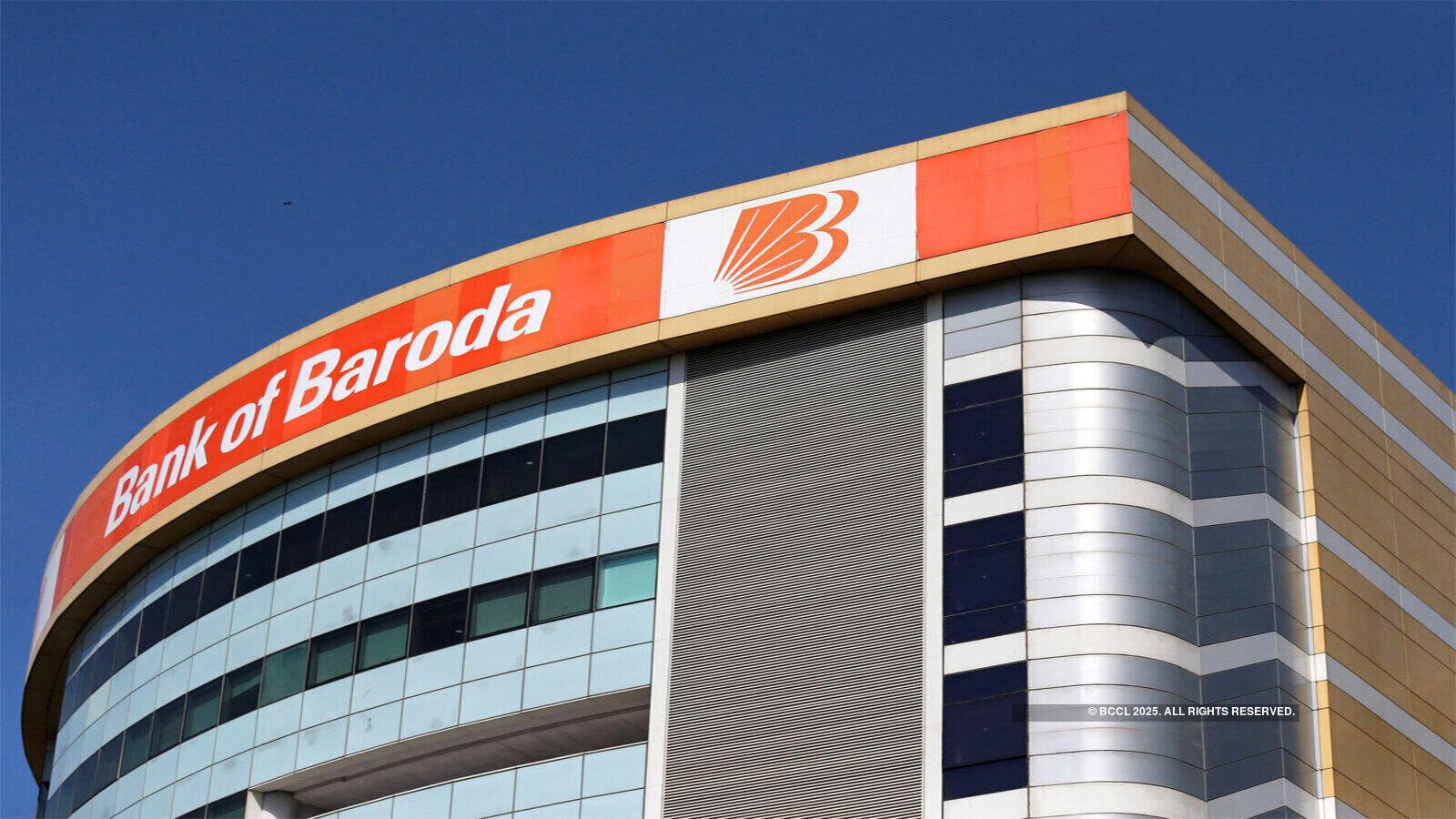
Banking Behemoth in the Making: Union Bank of India and Bank of India Merger on the Horizon?
Reports suggest a monumental consolidation could create India's second-largest public sector bank.
By Kamlesh
•Published on November 7, 2025
The Indian banking sector is abuzz with recent reports indicating a potential mega-merger between two prominent public sector banks: Union Bank of India and Bank of India. If these discussions come to fruition, the consolidated entity would be a formidable force, potentially becoming the second-largest bank in India, surpassed only by the State Bank of India (SBI). Such a move would mark a significant chapter in India's ongoing banking reform and consolidation efforts, aiming for greater efficiency and stability in the financial landscape.\n\n## The Scale of a New Banking Giant\nThis proposed merger isn't just another integration; it's about creating a truly colossal banking institution. Combining the extensive branch networks, customer bases, and financial assets of Union Bank of India and Bank of India would result in an entity with a massive pan-India presence and substantial market share. Such a scale is often seen as beneficial for competing with private sector giants and fulfilling the government's agenda of creating fewer, stronger public sector banks. The synergy could lead to optimized resource allocation, reduced operational redundancies, and enhanced capacity to underwrite large projects, thereby contributing more effectively to national economic development.\n\n## Potential Impacts: Opportunities and Challenges\nThe implications of such a merger are far-reaching. For customers, it could mean a wider range of products and services, potentially more competitive rates, and access to a larger ATM and branch network. However, it also brings the challenge of service integration, which can sometimes lead to temporary disruptions. Employees, too, would face significant changes, including redeployment, skill upgradation, and cultural integration challenges. The sheer scale of combining two large organizations demands meticulous planning and execution to ensure a smooth transition and maintain employee morale.\n\nFrom a broader economic perspective, a stronger, more resilient bank could better absorb economic shocks and contribute to financial stability. It could also enhance India's standing in the global financial arena. However, the success hinges on effectively managing the integration process, harmonizing IT systems, and streamlining operational procedures to realize the full benefits of synergy and avoid potential pitfalls like cultural clashes or operational bottlenecks.\n\nConclusion: While the reports are still speculative, the prospect of Union Bank of India and Bank of India merging presents an exciting and transformative vision for the Indian banking sector. It aligns with the government's long-term strategy of creating fewer, more robust public sector banks capable of driving economic growth and competing effectively. The coming months will be crucial in observing how these discussions evolve and what shape India's future banking landscape will take, potentially ushering in a new era of banking consolidation and strength.