Afghanistan-Pakistan Border Tensions: A Deep Dive into the Latest Developments
Understanding the Volatile Dynamics and Regional Implications
By Kamlesh
•Published on October 18, 2025
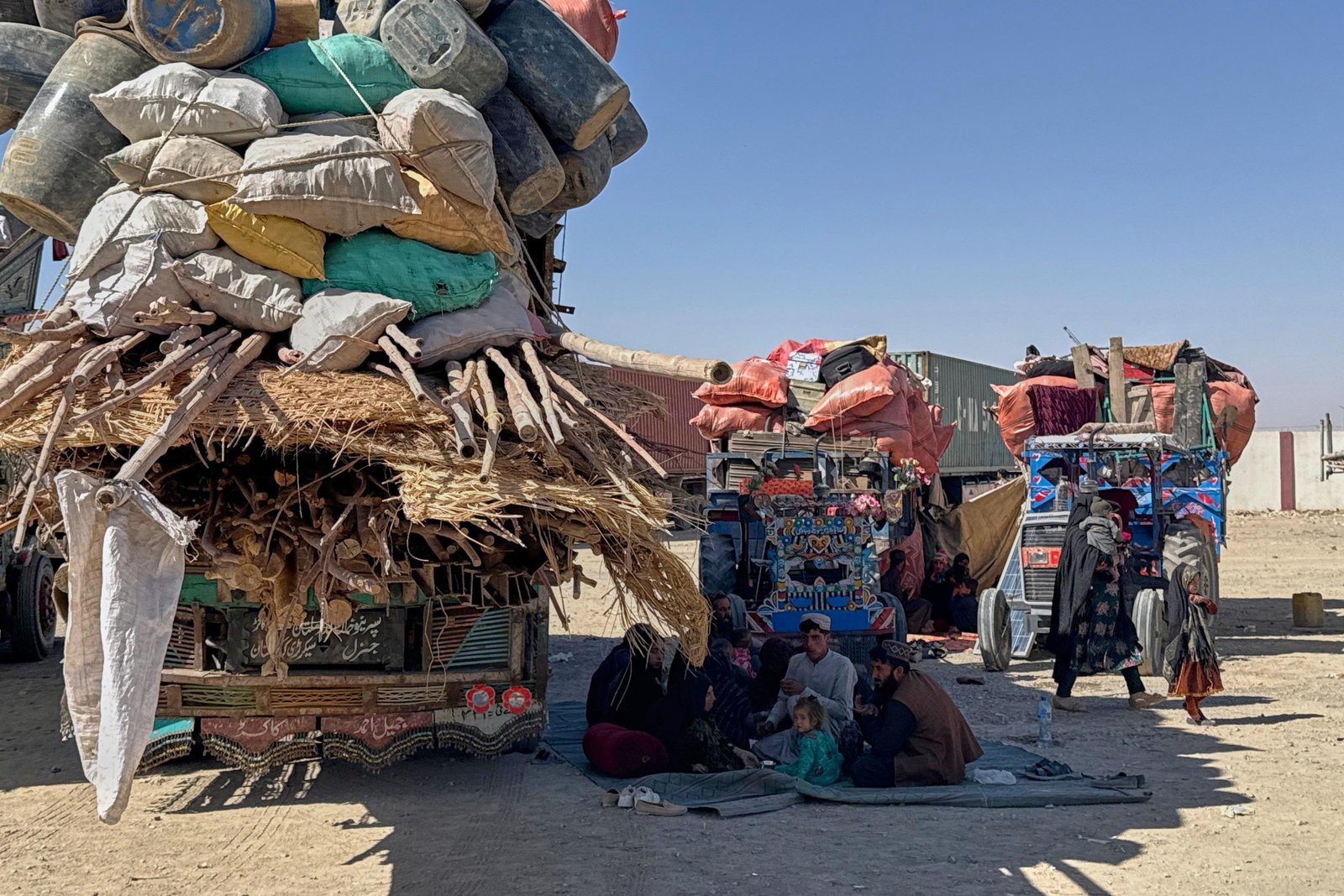
The relationship between Afghanistan and Pakistan has long been fraught with tension, marked by border disputes, cross-border militant activities, and deep-seated historical grievances. Recent months have seen a significant intensification of these tensions, leading to concerns about regional stability. This post examines the current state of affairs, the underlying causes, and the potential ramifications of the ongoing friction between the two nations.## Historical Context and Recent EscalationsThe Durand Line, an artificial border drawn in 1893, has been a perpetual source of contention, largely unrecognized by successive Afghan governments. This unresolved border issue forms the bedrock of much of the current animosity. Beyond historical claims, Pakistan frequently accuses Afghanistan of harboring Tehrik-i-Taliban Pakistan (TTP) militants, who launch attacks into Pakistan. Conversely, Afghanistan blames Pakistan for supporting various insurgent groups within its borders in the past, a claim Pakistan vehemently denies.The latest surge in tensions can be attributed to several factors. Following the Taliban's takeover of Afghanistan in August 2021, Pakistan initially hoped for improved border security. However, attacks by the TTP, often referred to as the "Pakistani Taliban," have drastically increased, leading Islamabad to exert pressure on the Afghan Taliban to curb these groups. This pressure has often manifested in border skirmishes, drone strikes, and diplomatic spats. Both sides have reported casualties from these exchanges, fueling public anger and nationalist sentiments.## Regional Implications and Future OutlookThe escalating tensions between Afghanistan and Pakistan carry significant implications for the broader South Asian region and international community. A destabilized border region complicates efforts to combat terrorism, hinders trade, and affects humanitarian aid operations. Major regional players like China and Iran are closely watching the situation, as any further escalation could spill over and impact their own security interests. The economic consequences are also substantial; cross-border trade, already hampered, faces further disruption, affecting livelihoods on both sides.The path forward is fraught with challenges. Diplomatic efforts, though ongoing, have yielded limited success in establishing a lasting calm. Pakistan's insistence on the Afghan Taliban taking decisive action against the TTP, and Afghanistan's counter-allegations of Pakistani interference, create a complex stalemate. International mediation might eventually be required to de-escalate the situation and foster a dialogue focused on long-term solutions, rather than reactive measures. Without a concerted effort to address the root causes and build trust, the border will likely remain a flashpoint for continued instability.Conclusion:The "Afghanistan vs Pakistan war update" is less about a declared war and more about a persistent, low-intensity conflict fueled by historical grievances, unresolved border issues, and the presence of militant groups. The human cost and the threat to regional stability are profound. Understanding these dynamics is crucial for appreciating the complex geopolitical landscape of South Asia. A sustainable resolution will require commitment from both nations to engage in meaningful dialogue and address the multifaceted challenges that plague their shared border.